
On June 22, 2025, we closed the door to our Larchmont home for the last time—at least for now. We walked out as a family of five, not fully knowing what awaited us on the other side of the world, but certain of one thing: we were doing this together. And that was enough to begin.
Between us, our lives have taken us through many places—Oklahoma City, Los Angeles, Silicon Valley, New York City, Brooklyn, and finally Larchmont as a family of five. Each chapter carried its own meaning, but what we’ve learned through all of them is that home has never been defined by geography. It has always been shaped by being together. And now, six months into our life in Taipei, we’re learning what it means to build a new home while still carrying the old ones with us.
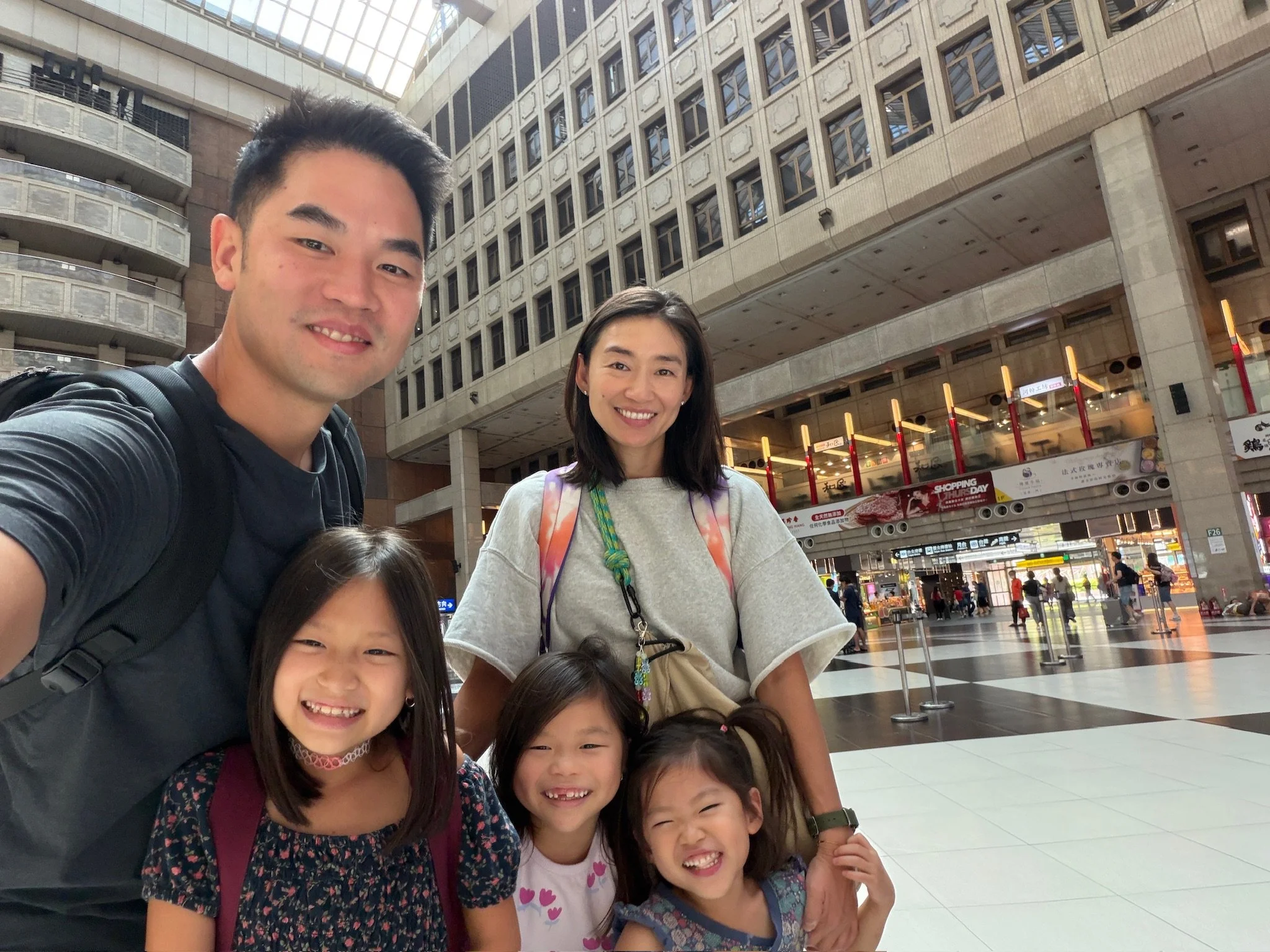
1. A Softer Landing Than We Expected
We prepared ourselves for quiet early months—lonely weekends, slow exploration, and a long wait before friendships formed. But that isn’t how it unfolded.
Because we arrived in the middle of summer, July and August became a revolving door of familiar faces. Friends came through Taiwan, others met us in Korea, and family passed through on their own travels. They visited our half-furnished apartment, helped break it in (and break bread in it), and made early memories with us across the city.
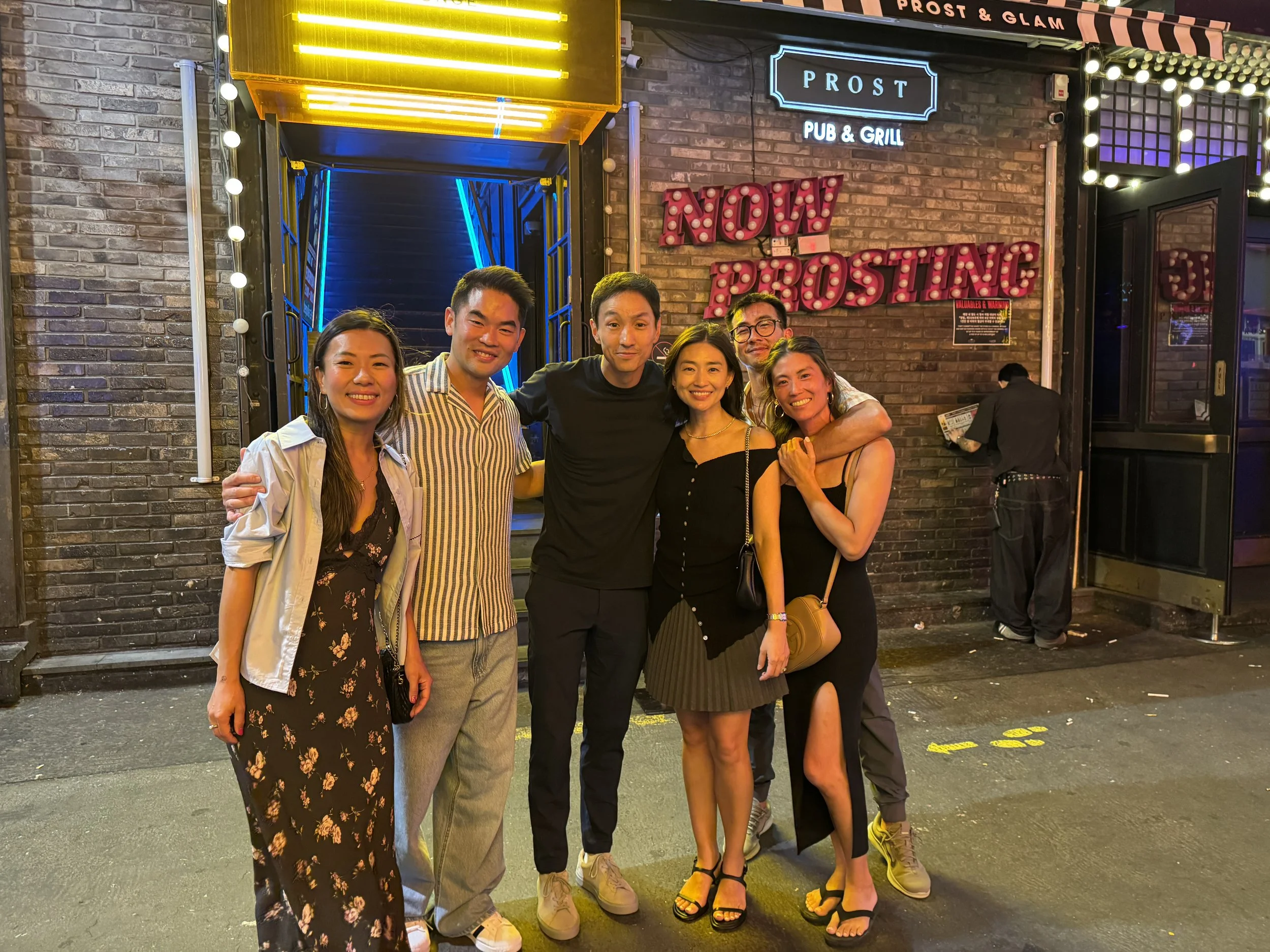
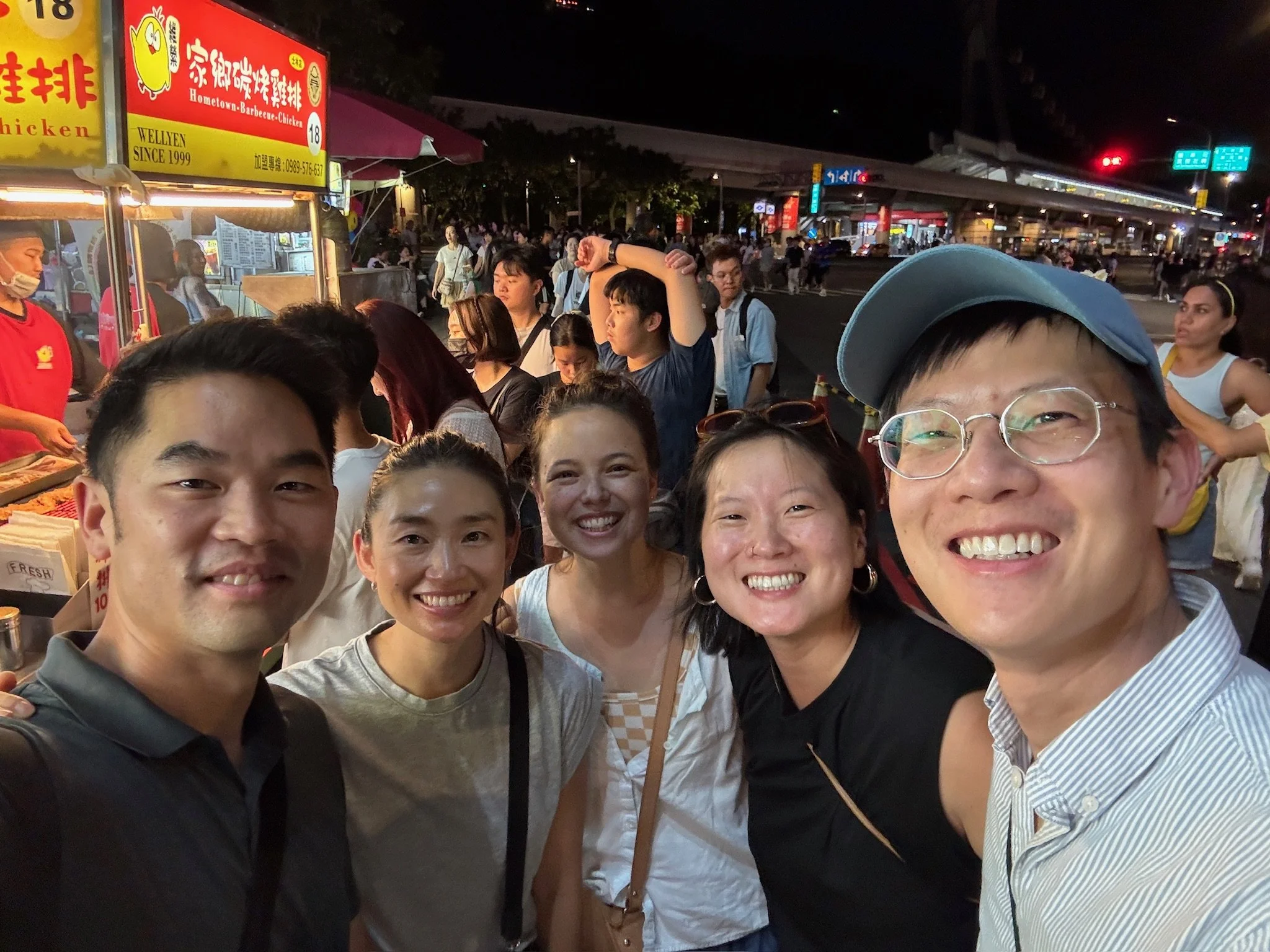
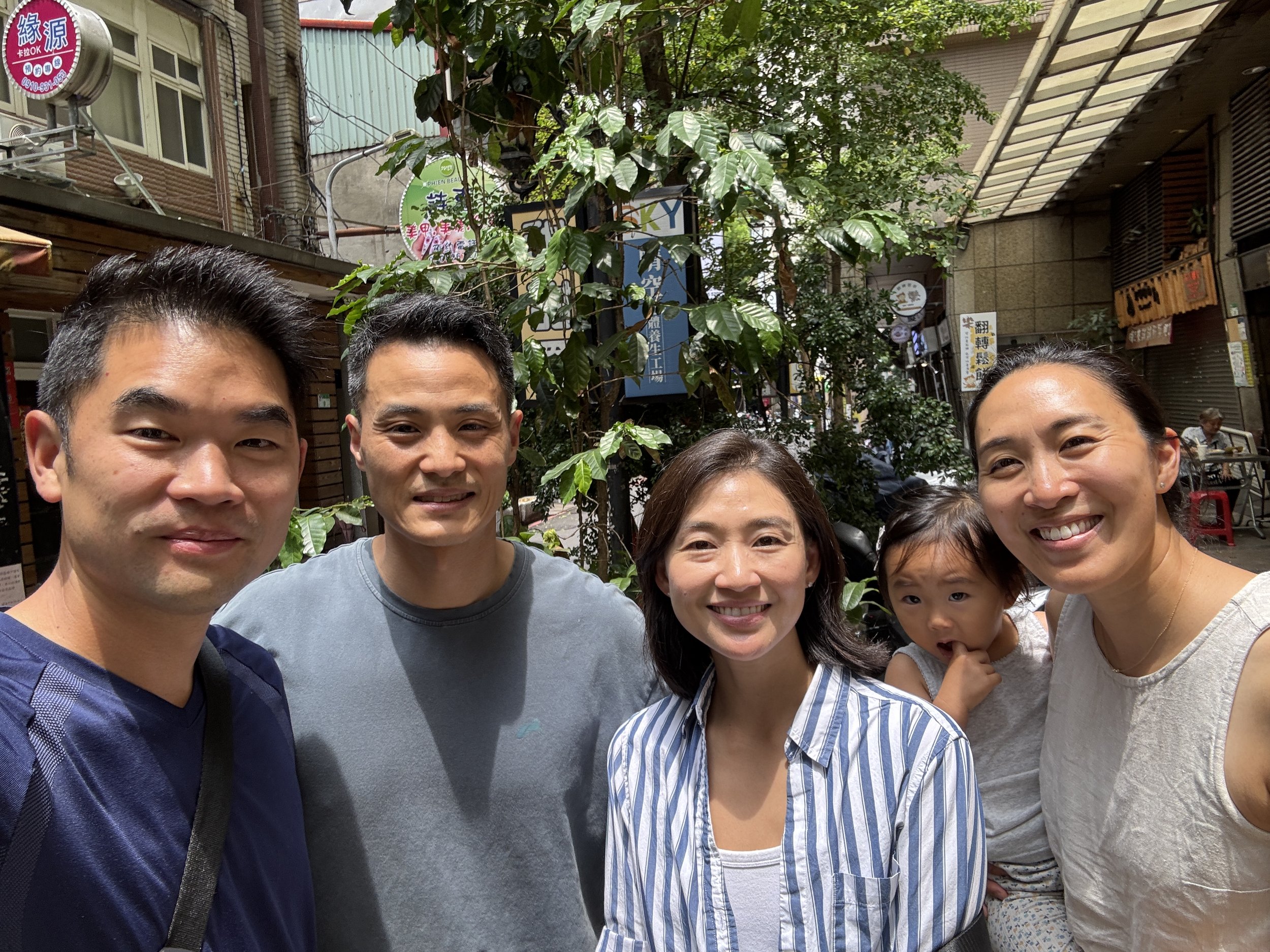
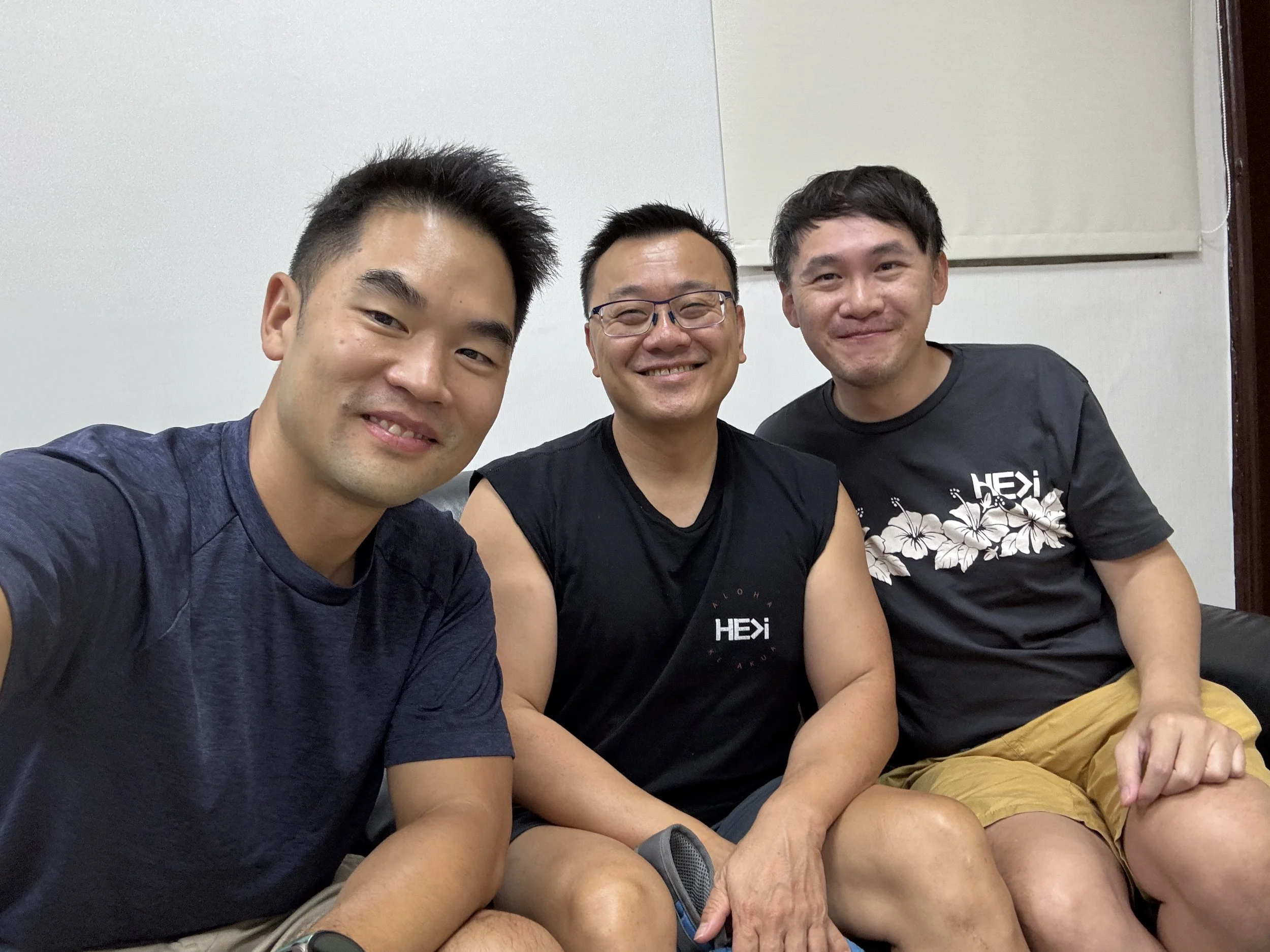
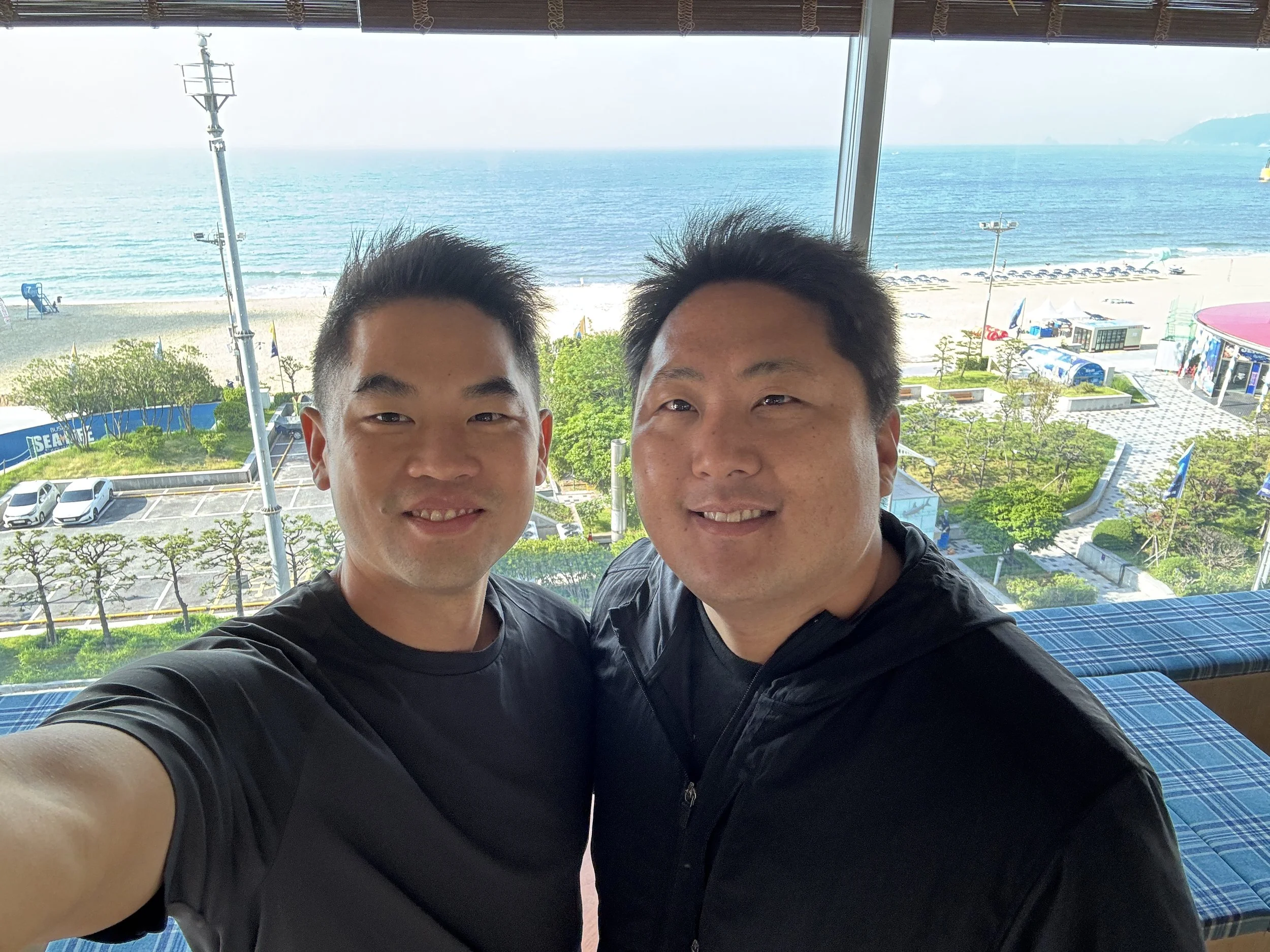
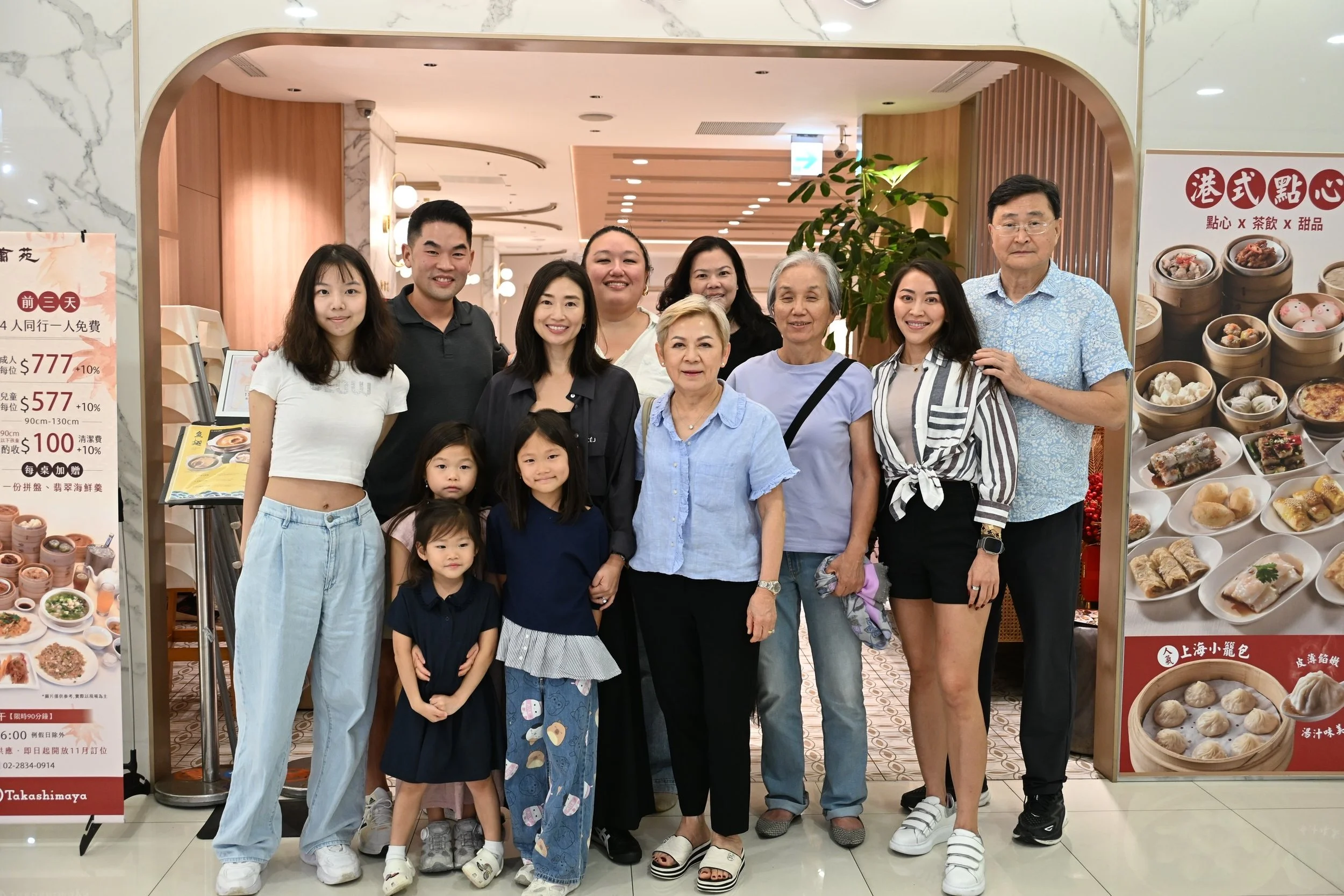
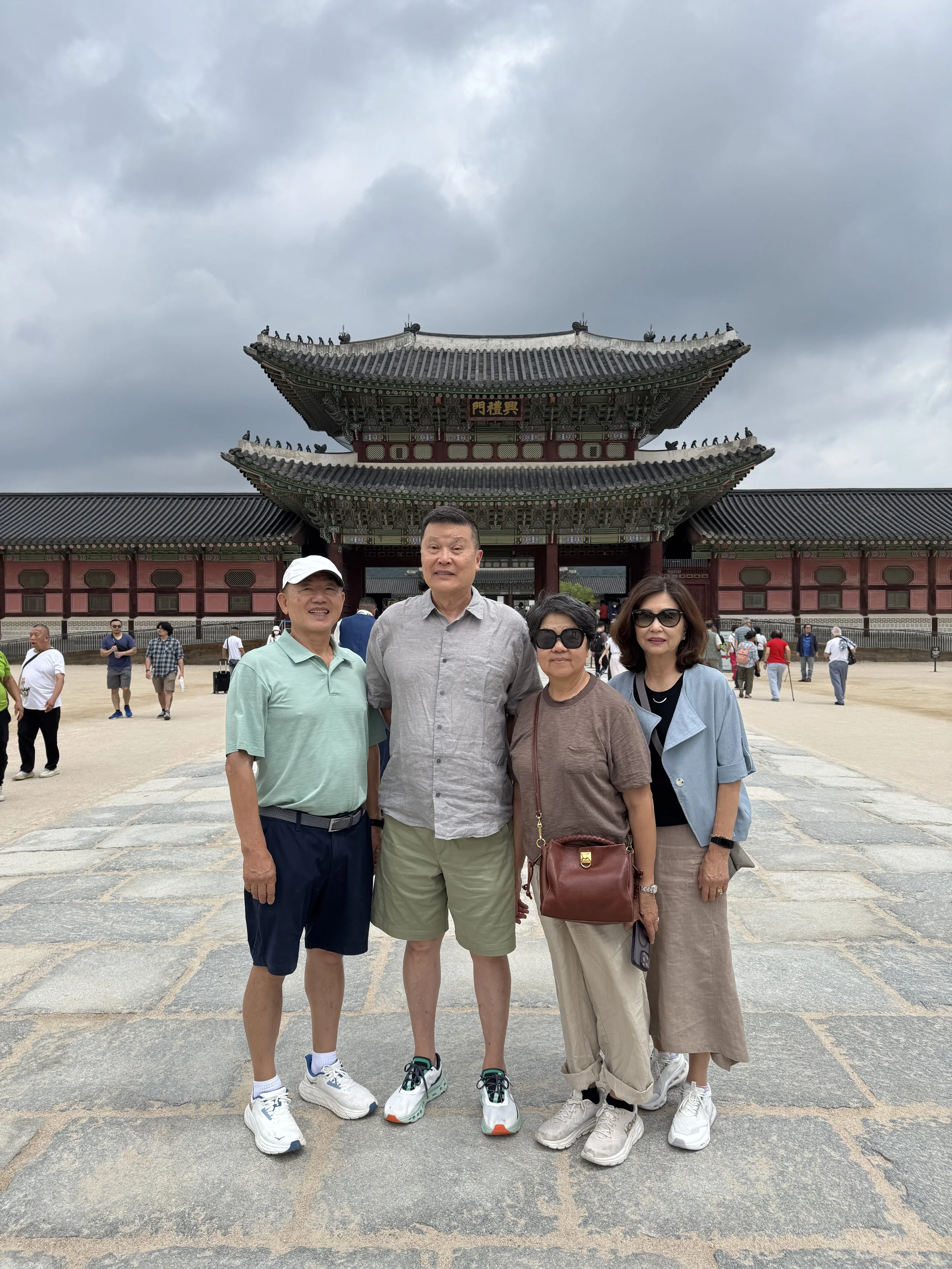
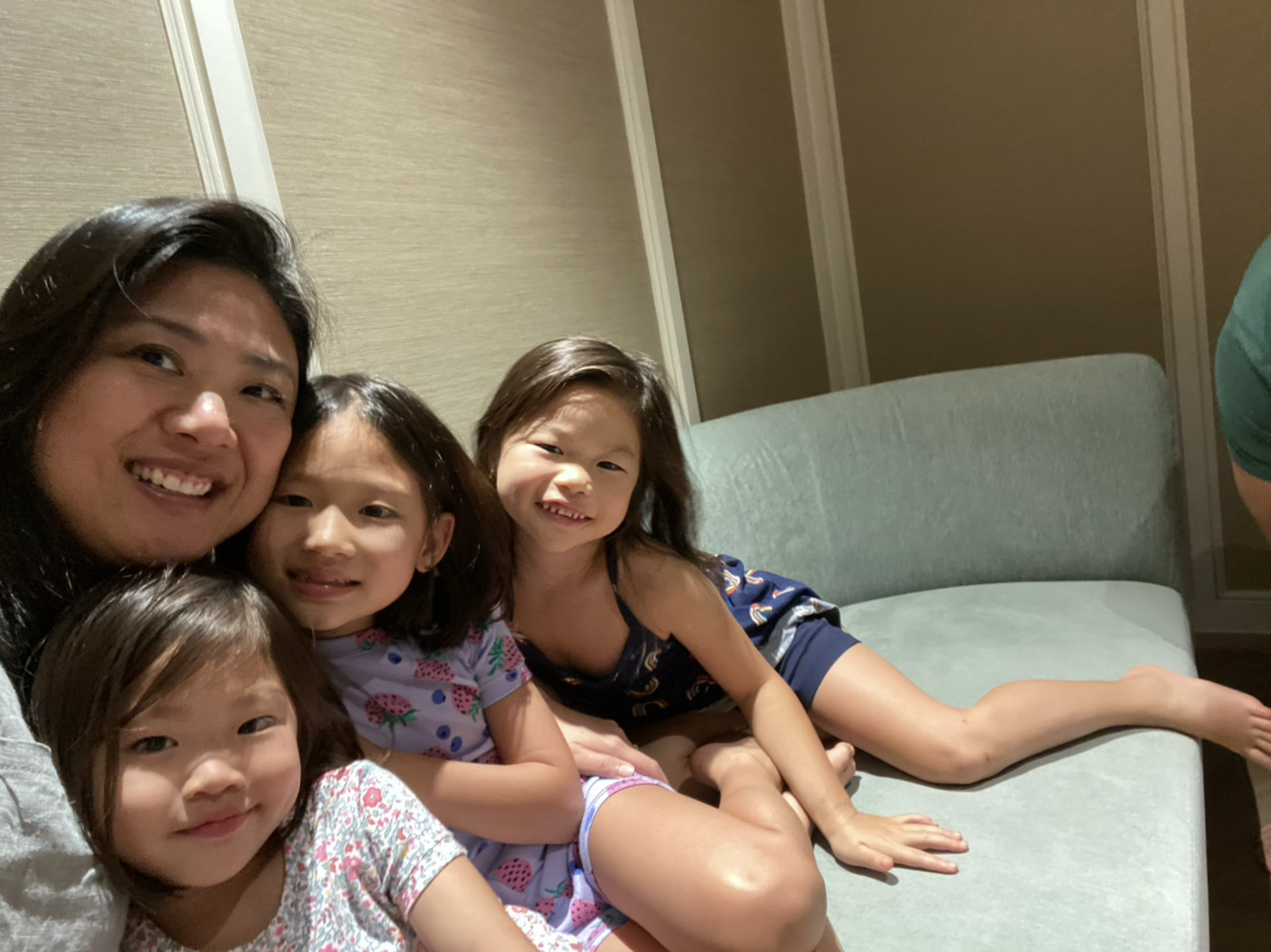
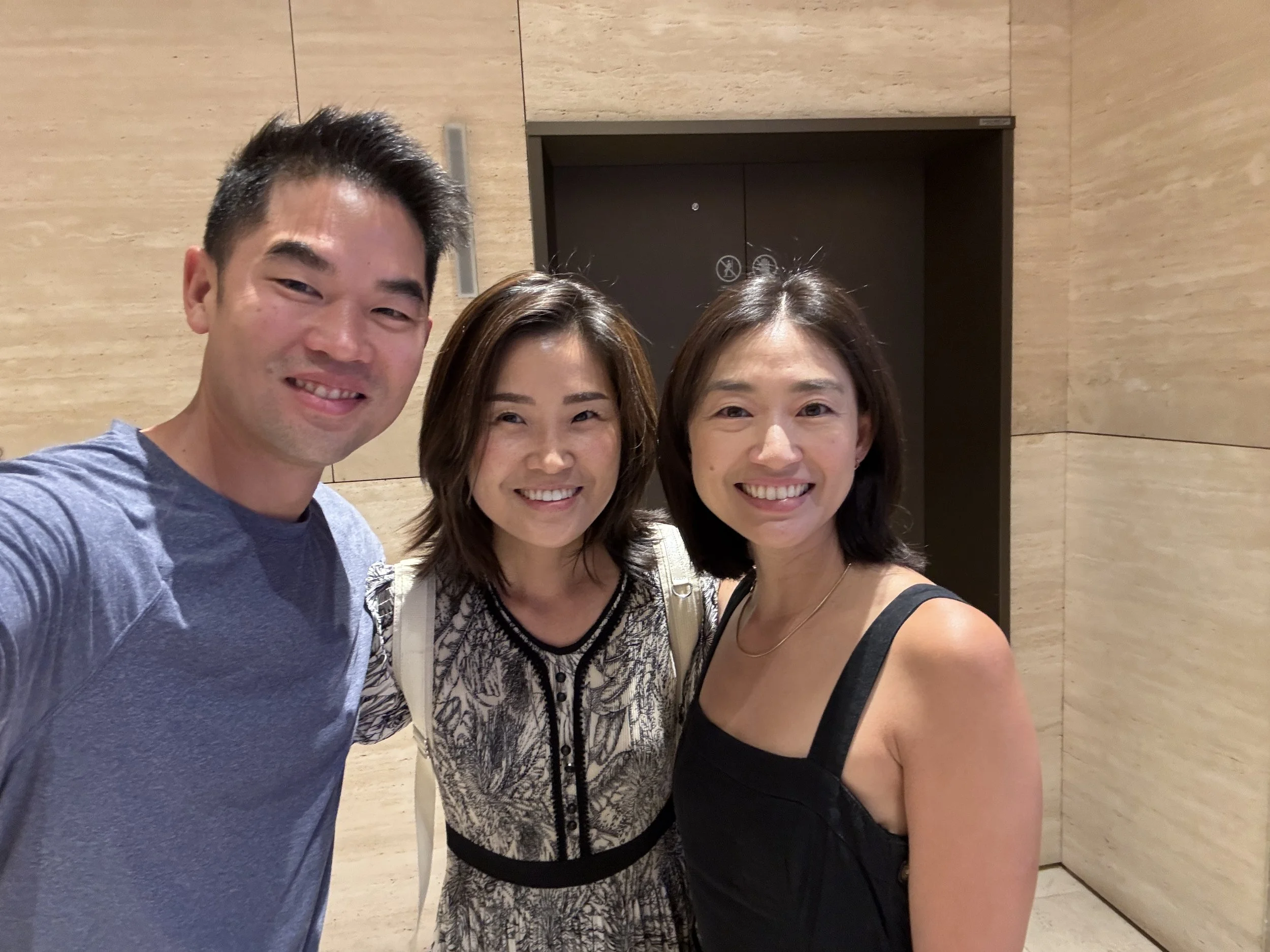
Their presence softened what could have been a difficult transition. Taipei still felt new and exciting, but it didn’t feel quite so far away from Larchmont.
2. An Unexpected Influx of Community
A year before we moved, we often talked and prayed about the things we hoped to have in Taiwan: a sense of home, people we could walk alongside, a welcoming environment for our kids, and a clear purpose for uprooting our lives.
We assumed that would take time.
Instead, introductions began pouring in even before we left New York. Friends from LA, Silicon Valley, Oklahoma, NYC, and beyond reached out with warm notes of “You should meet my friend in Taipei.” After we arrived, those introductions kept multiplying. Suddenly, more people were reaching out than we had time to schedule, and slowly, some of those early conversations began to turn into friendships that generously poured into us—helping us navigate how to settle in successfully with the best resources known to them: restaurants, doctors, churches, vacation spots, kid-friendly activities. We had more information than we knew what to do with. More importantly, many of these introductions have transformed into some really blessed friendships here, for whom and which we are extremely grateful for.
We’ve also reconnected with relatives we hadn’t seen in decades—people whose lives once ran parallel to ours but now intersect again in a new and meaningful way.
Our girls each made friends early on at school, in their own unique ways. And naturally, we began meeting their friends’ parents—many of whom shared similar mid-life stories of restarting in Taiwan. We even began seeing these same families at different church gatherings and community events around the city. This led to natural friendships, and we were grateful to have celebrated Thanksgiving with them, getting our fill of our favorite American comfort foods.
Bit by bit, people became places—and places began to feel like home.
3. Work, Growth, and a New Chapter With Family
Through some of these new friends, I was introduced to the Taiwan chapter of C12, a group of CEOs and leaders who meet monthly for thoughtful conversations around leadership, organizational culture, and personal growth. These sessions have helped me navigate the intricacies of leading a multi-generational, family-owned business in Taiwan—something I understood abstractly when living in the U.S., but am now experiencing at full depth.
One of the most meaningful changes has been my relationship with my dad. Growing up, he spent long stretches in Taiwan while my mom raised us in Oklahoma, and our relationship reflected that distance. Now, for the first time, I spend real time with him each week—working side-by-side, problem-solving, sharing meals, and understanding each other in ways we simply didn’t have access to before. It feels like we’re rewriting the second half of our relationship together.
As I’ve spent more time with our employees and colleagues, something unexpected happened: people began opening up. They shared their family stories, their challenges, their lives. Some even introduced me to their parents, spouses, and children.
I’ve visited junior employees in the hospital after traffic accidents. I’ve helped send care packages to coworkers facing health challenges. And over time, I’ve begun to see tangible ways we can improve work life—not just to make things more efficient but to show genuine care.
Somehow, my Chinese has improved enough that I can now make it through a three-hour, one-on-one dinner entirely in Chinese. Imperfect, yes. But meaningful all the same.
4. The Ache of Homesickness; Living With Intention
Even with all the good, Taiwan hasn’t erased the grief and longing of leaving.
We miss our Larchmont home deeply—the house that holds all our memories as a complete party of five. The ache grew so sharp some weeks that we had to take down the video loops and photos from our digital picture frame because seeing them every day hurt too much.
Not a week goes by without one of the girls saying they miss Larchmont.
The transition has challenged both of us in different ways, but it has been especially difficult for Hanna. Without Chinese fluency, without childhood memories here, without the cultural shorthand I grew up with, even the simplest errands require translation apps, mental energy, and steady patience. It’s exhausting in ways that accumulate quietly.
And yet, through this, Hanna has become the anchor of our family—managing routines, building community, supporting the girls, and holding our home together, especially during the weeks when work requires me to travel. Our marriage, through all this, has grown stronger, deeper, and more connected.
So yes—it has been hard.
But it has also been profoundly good.
We’ve always tried to live intentionally, but this season has demanded a deeper, sharper form of it.
If we weren’t here for something meaningful, why uproot our lives? Why leave a place we loved? Why start over halfway around the world?
It’s been through living deliberately—choosing purpose over comfort, meaning over habit—that the hardest moments have become bearable. And through intentionality, our reasons for being here have come into sharper focus.
Over the past year, we’ve watched our relationships, skills, personal histories, and life experiences all converge on this point. Before we left New York, everything seemed to nudge us toward Taiwan. And now, six months in, the reasons feel clearer than ever.
5. Building Our New Rhythm
I’m away from Hanna and the girls more often than I’ve ever been, so we have made it our main priority to spend quality time together. Being away half the time, I want to ensure I’m 100% available and present to my girls when I’m with them. There are weekends where we just stay in our pajamas all day, order takeout, and play board games for hours (Ticket to Ride and Settlers are our favorites!). I’ve taken each of the girls out on father-daughter dates so I can give them special attention and love. We’ve had new adventures like going rock climbing, going on our first vacation that was truly just the five of us, and even attending our first baseball game (the girls liked the cheerleaders more than the game).
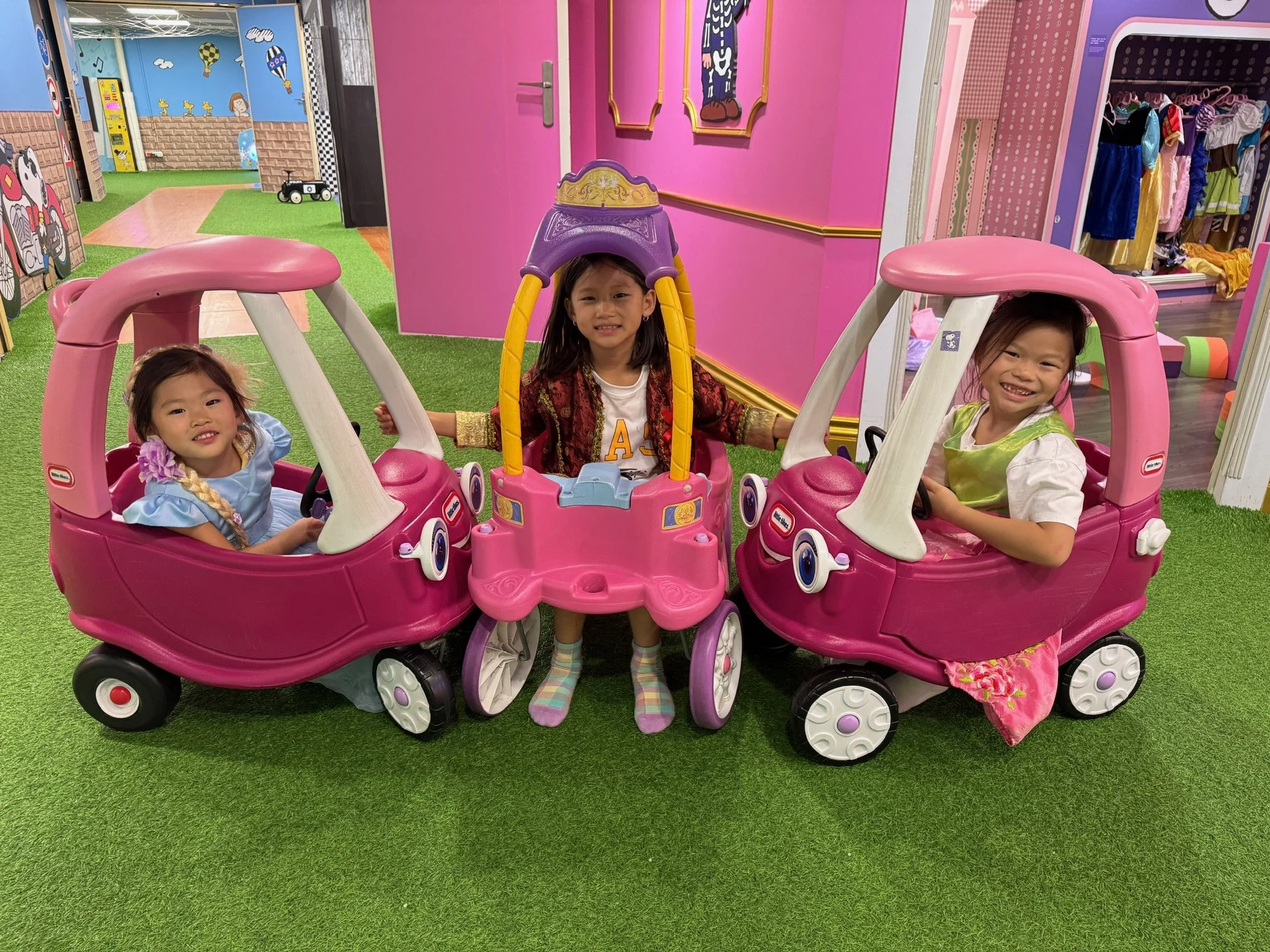
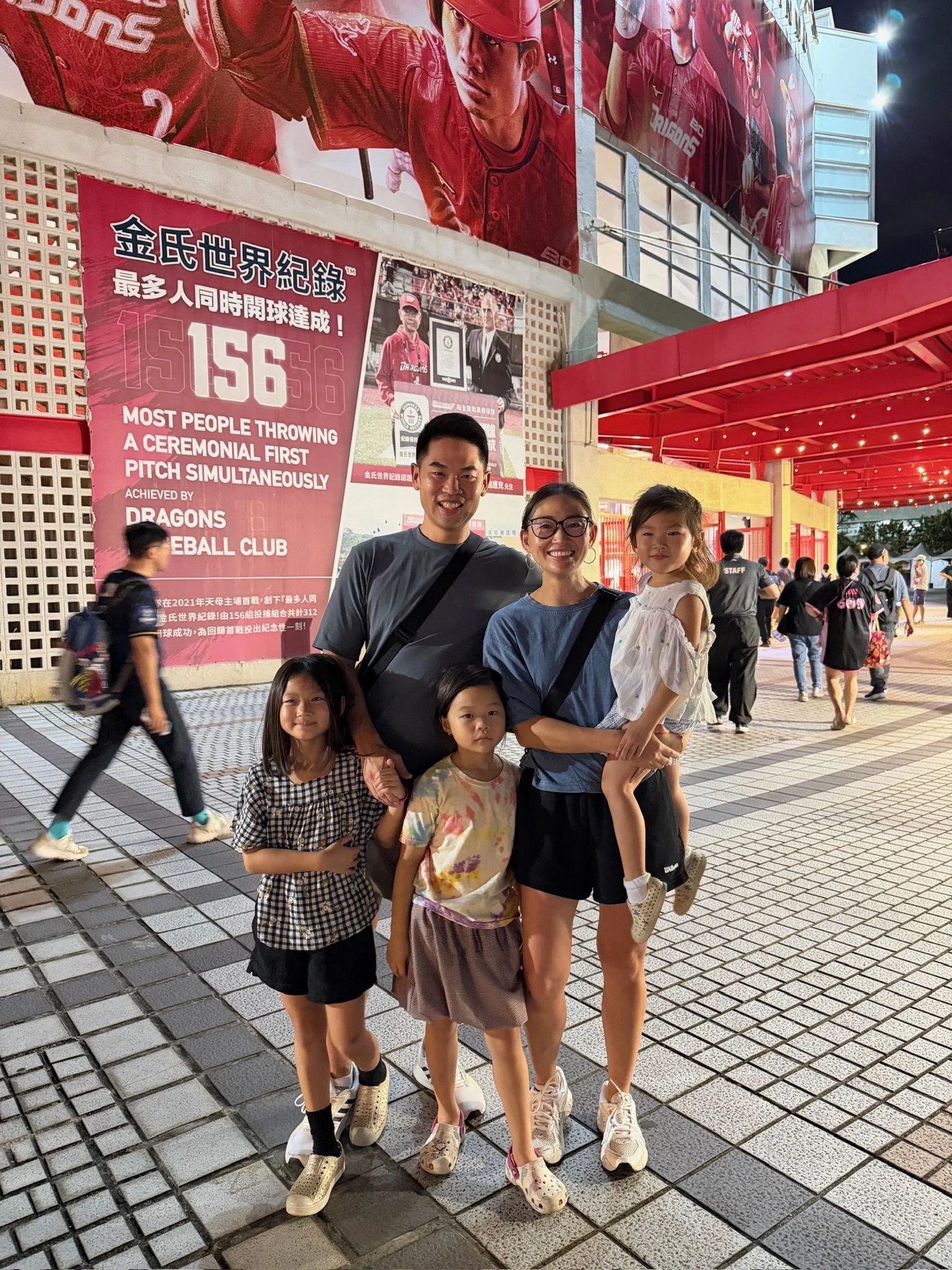
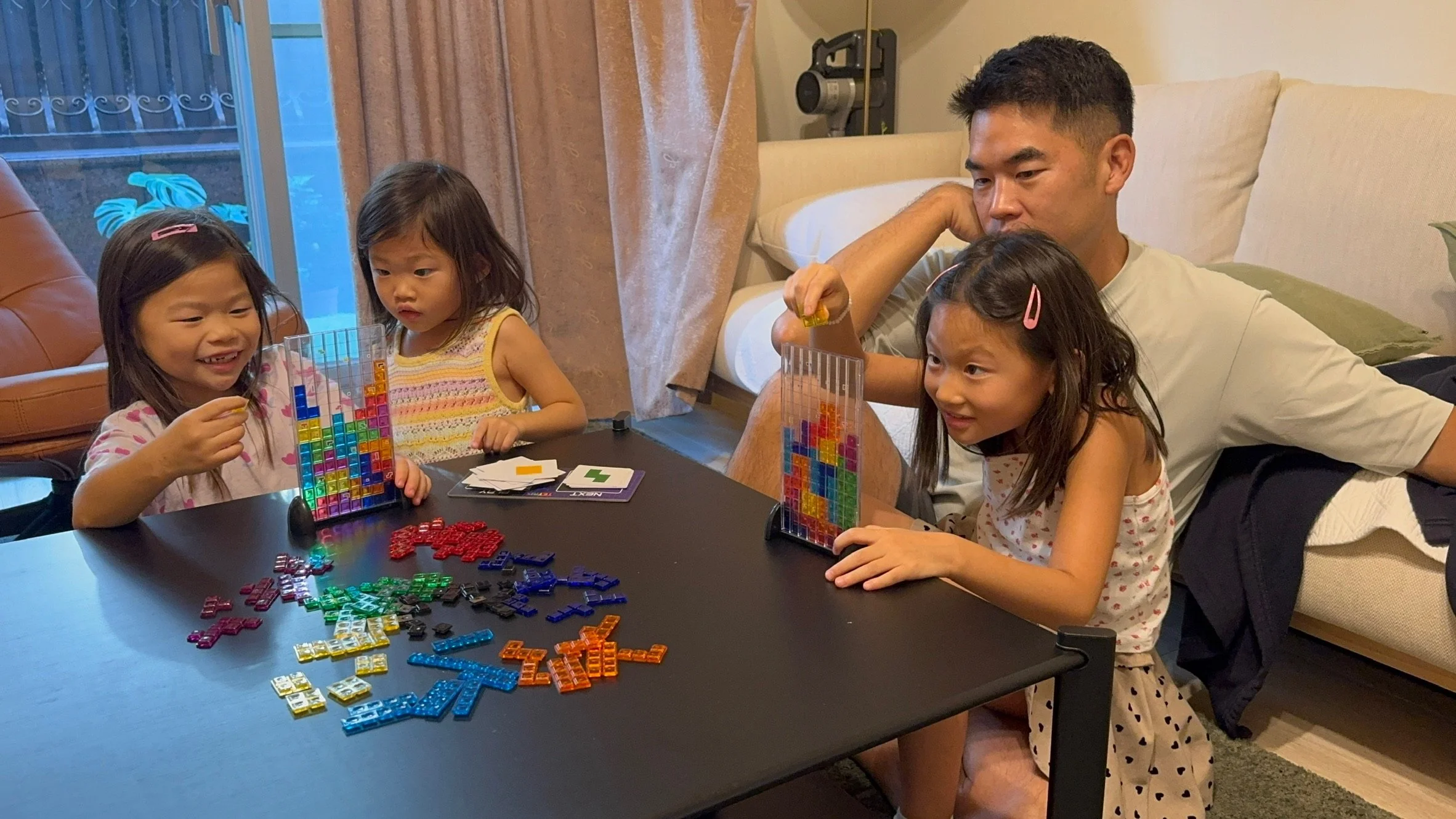
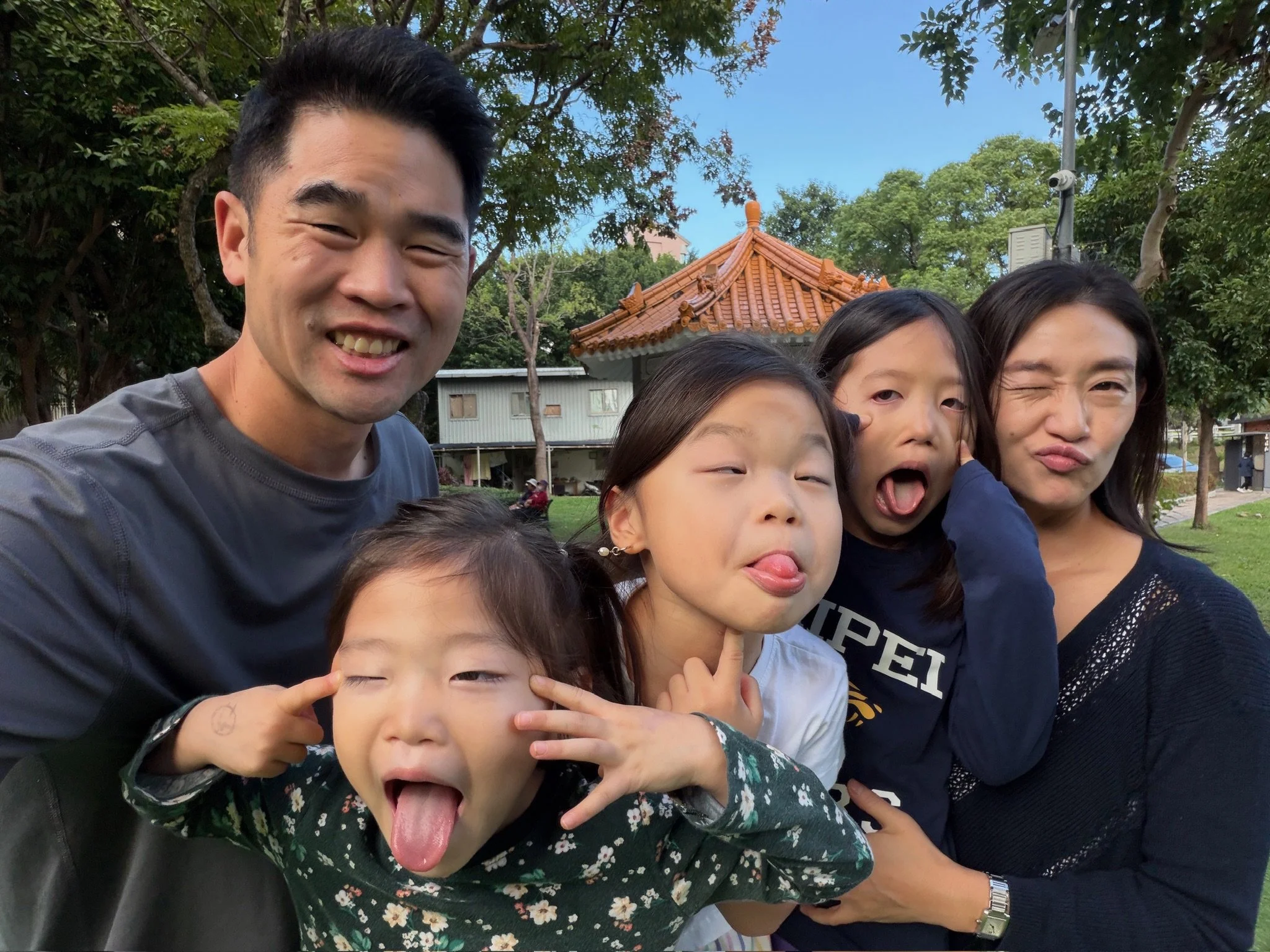
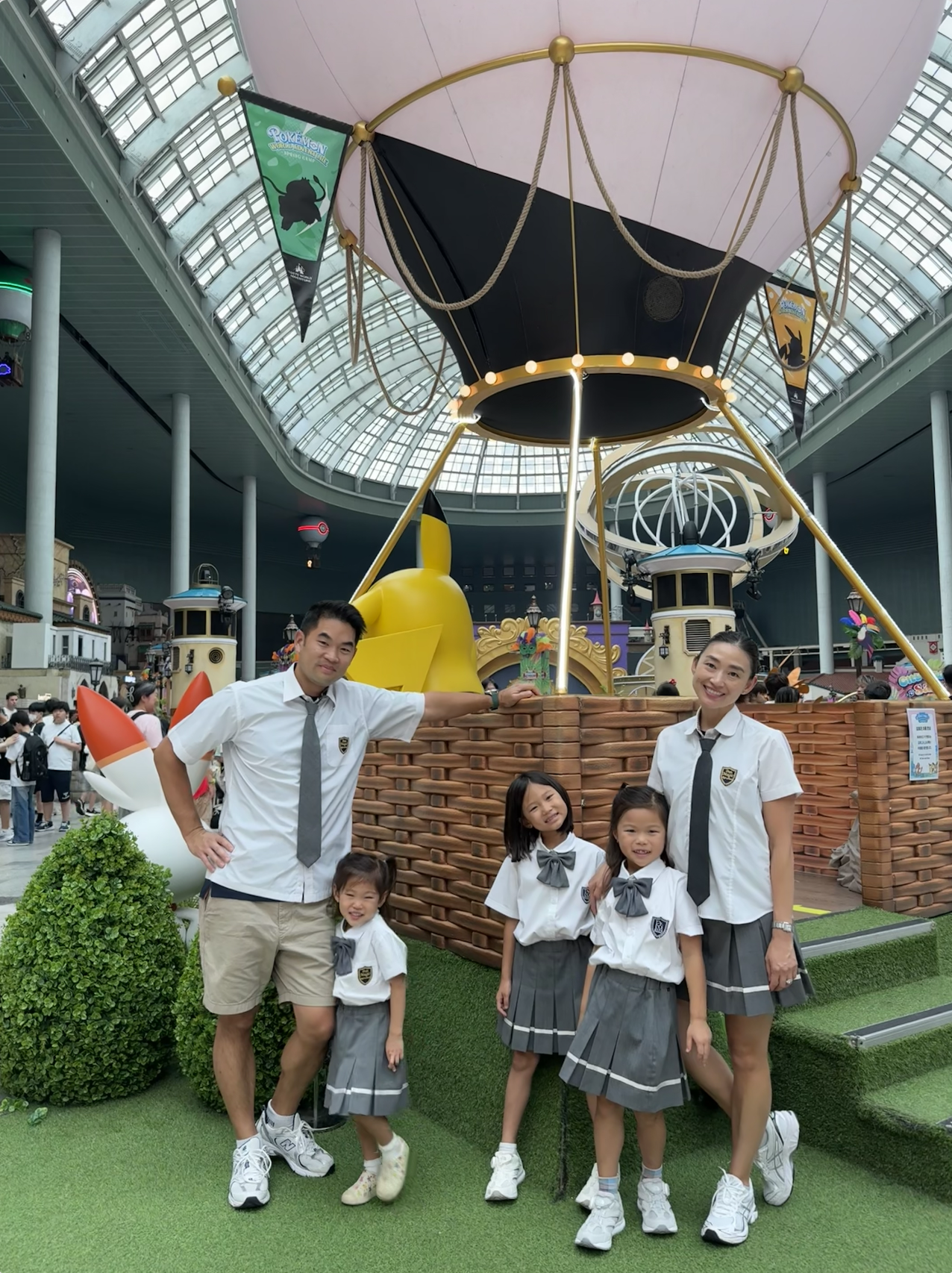
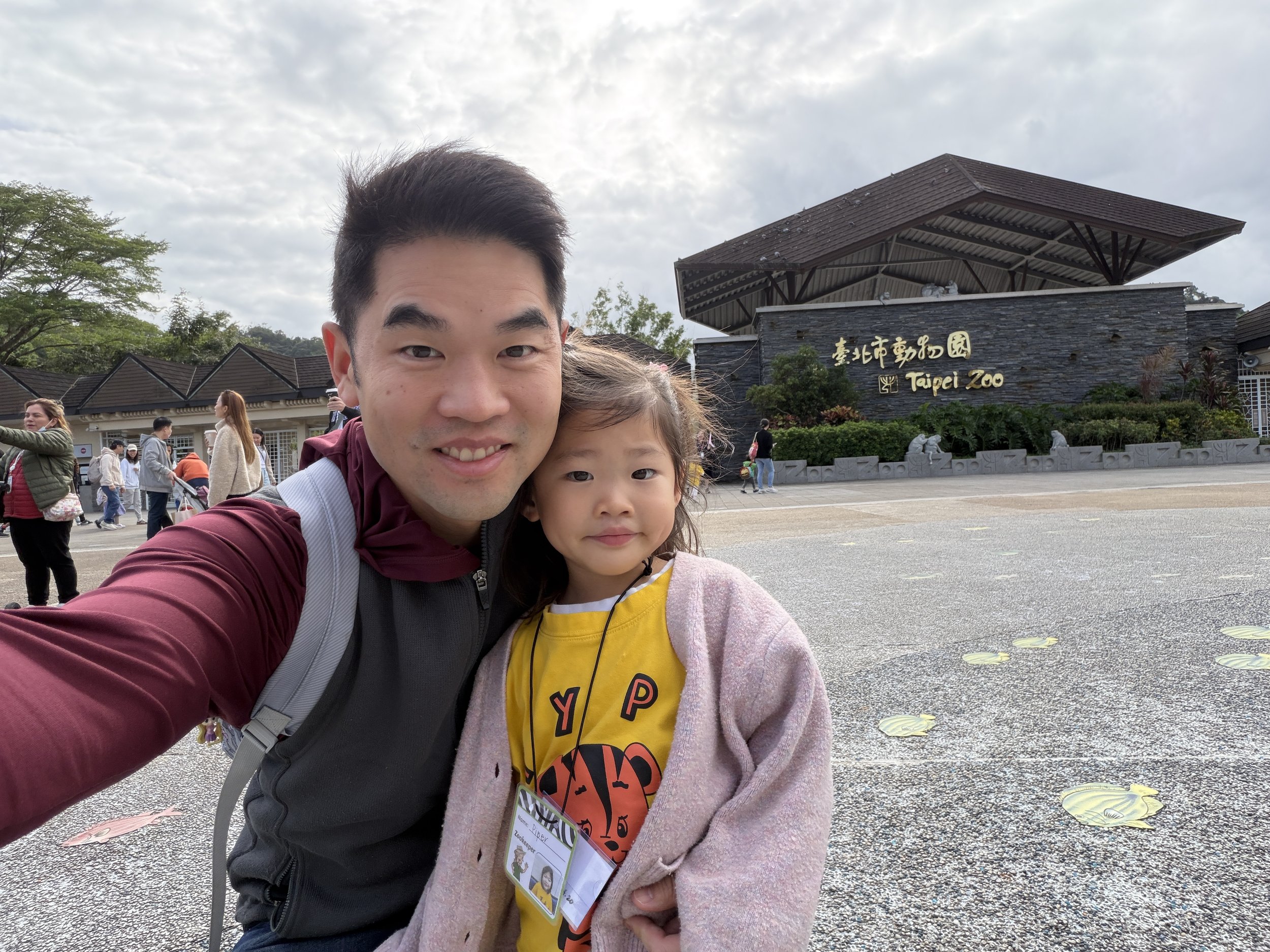
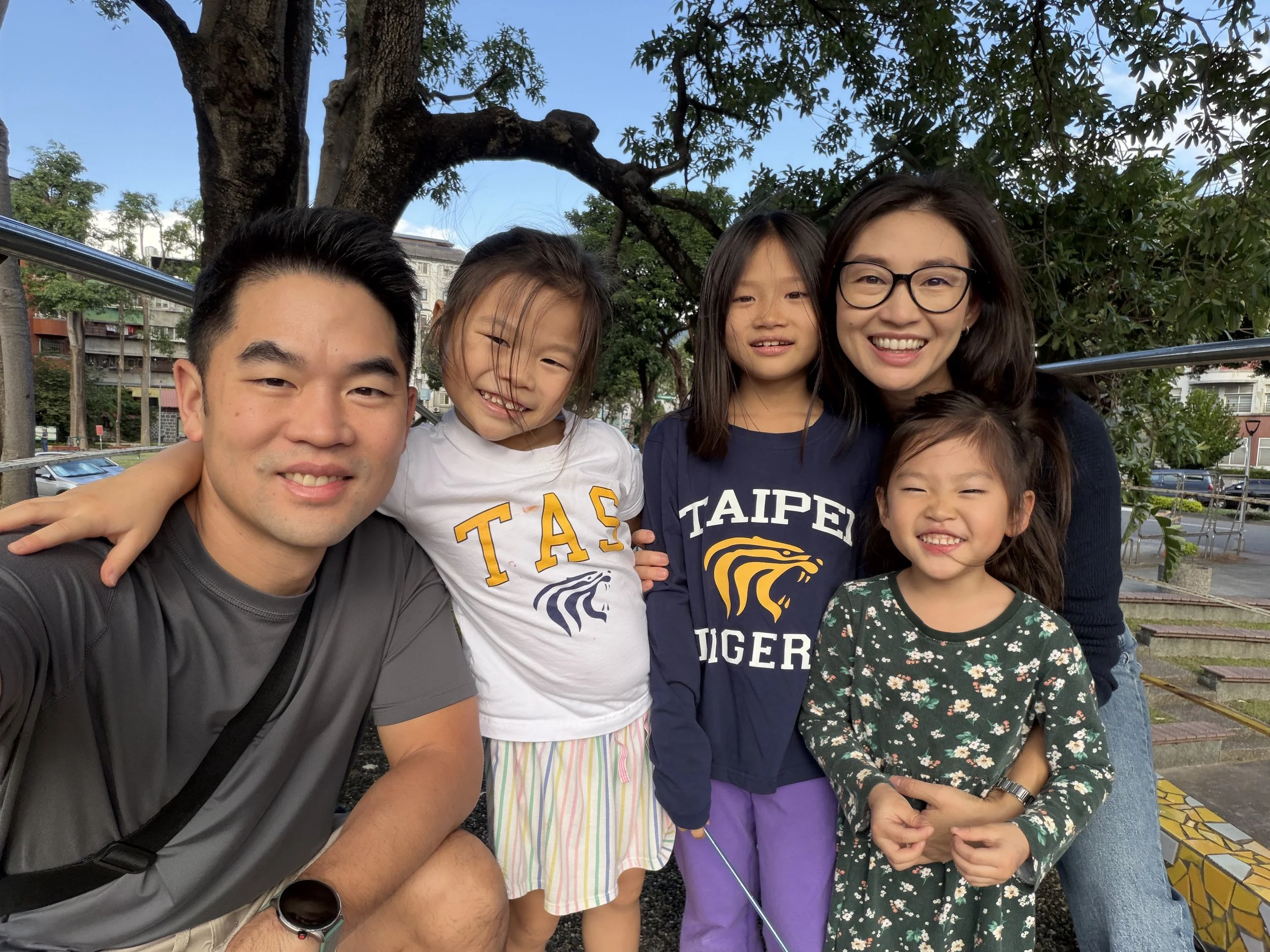
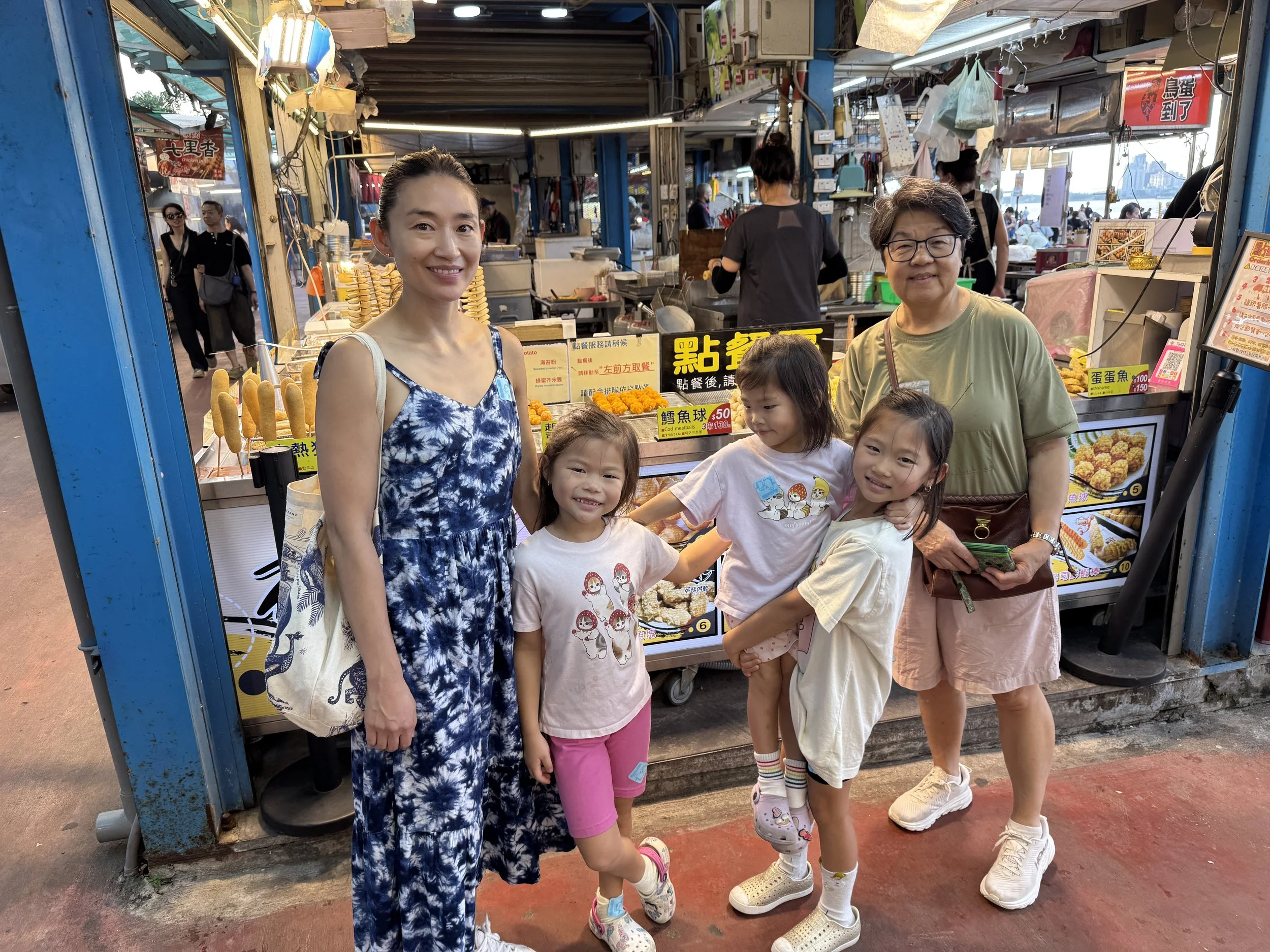
We’re grateful our daughters are thriving and are embracing all the new things they’re experiencing. P3 has proven to be the most compatible with Taiwanese food—she’ll eat almost anything: grass jelly, waxed apples, cold tofu dessert, pork bone soup. P2 continues to make her sisters and friends laugh uncontrollably with her humor and wit—she also insists she is Rumi, the star of the K-pop Demon Hunters, and refuses to share the spotlight she believes is rightfully hers. P1’s nose is still always in a book—she’s getting into historical nonfiction stories these days. She has started learning how to play violin and schools Hanna in Mandarin.
Here’s a video of the kids laughing at Hanna’s attempt to say “Can I go to the bathroom?” Even Piper has it down.
When not being our core, Hanna enjoys hole-in-the-wall eats, desserts that aren’t too sweet, and most importantly, tennis. Her tennis game is slowly improving, but she says it’s clear she’s not fast enough and too tense (according to her new coach). This feedback is not new—just consistent. Instead of going to the gym to strength train like she is supposed to, she’s been visiting museums, searching for legit Korean food, and planning next year’s family vacations. This avoiding the gym is not new-just consistent.
6. Solidifying Our Family’s Mission
It’s becoming clear that we are here to care for the people in our communities and our companies—some of whom have worked with our family for more than 40 years, across three generations. We want to grow the business not only to serve customers better but to help create better, fuller lives for the people who have served alongside our family for decades.
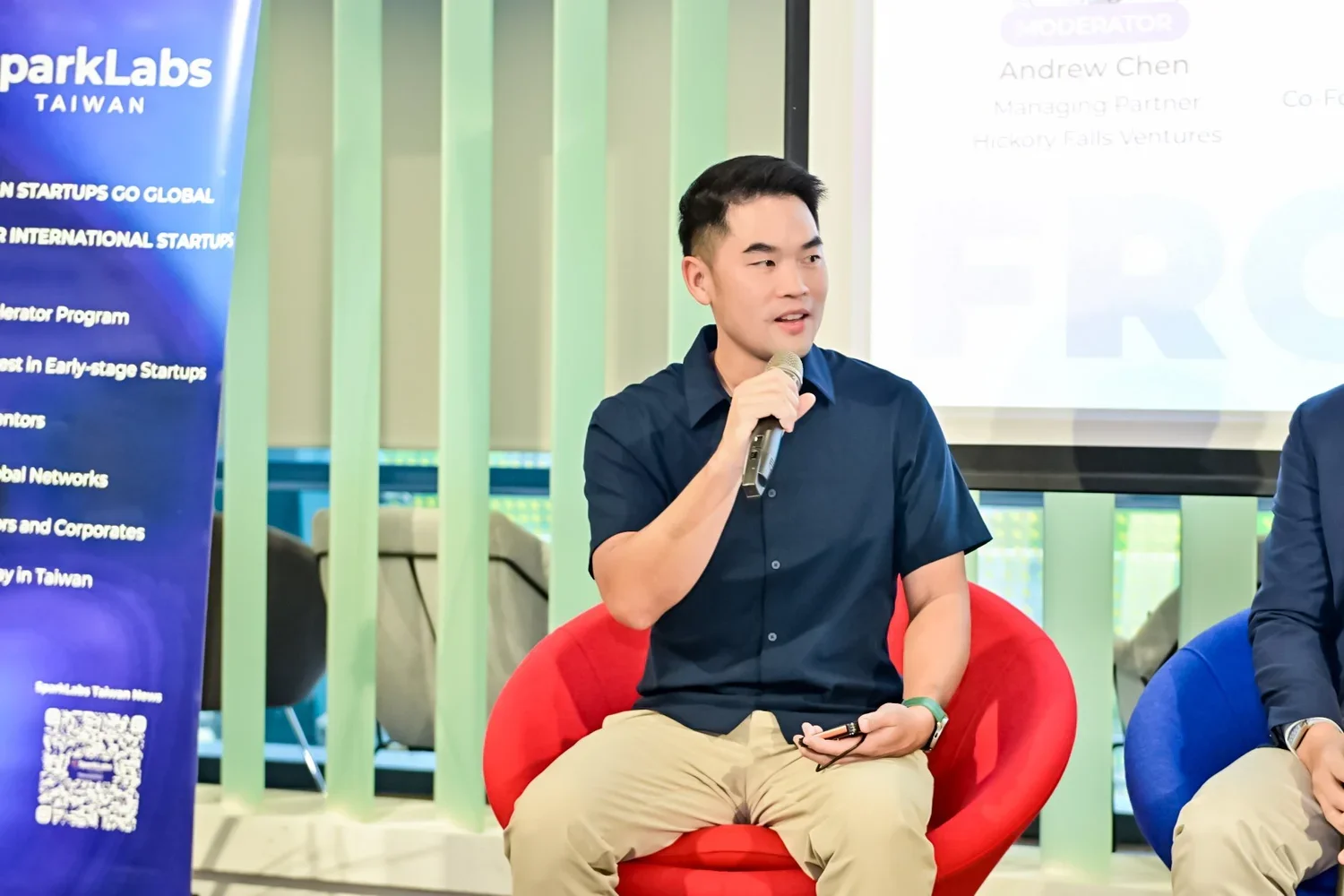
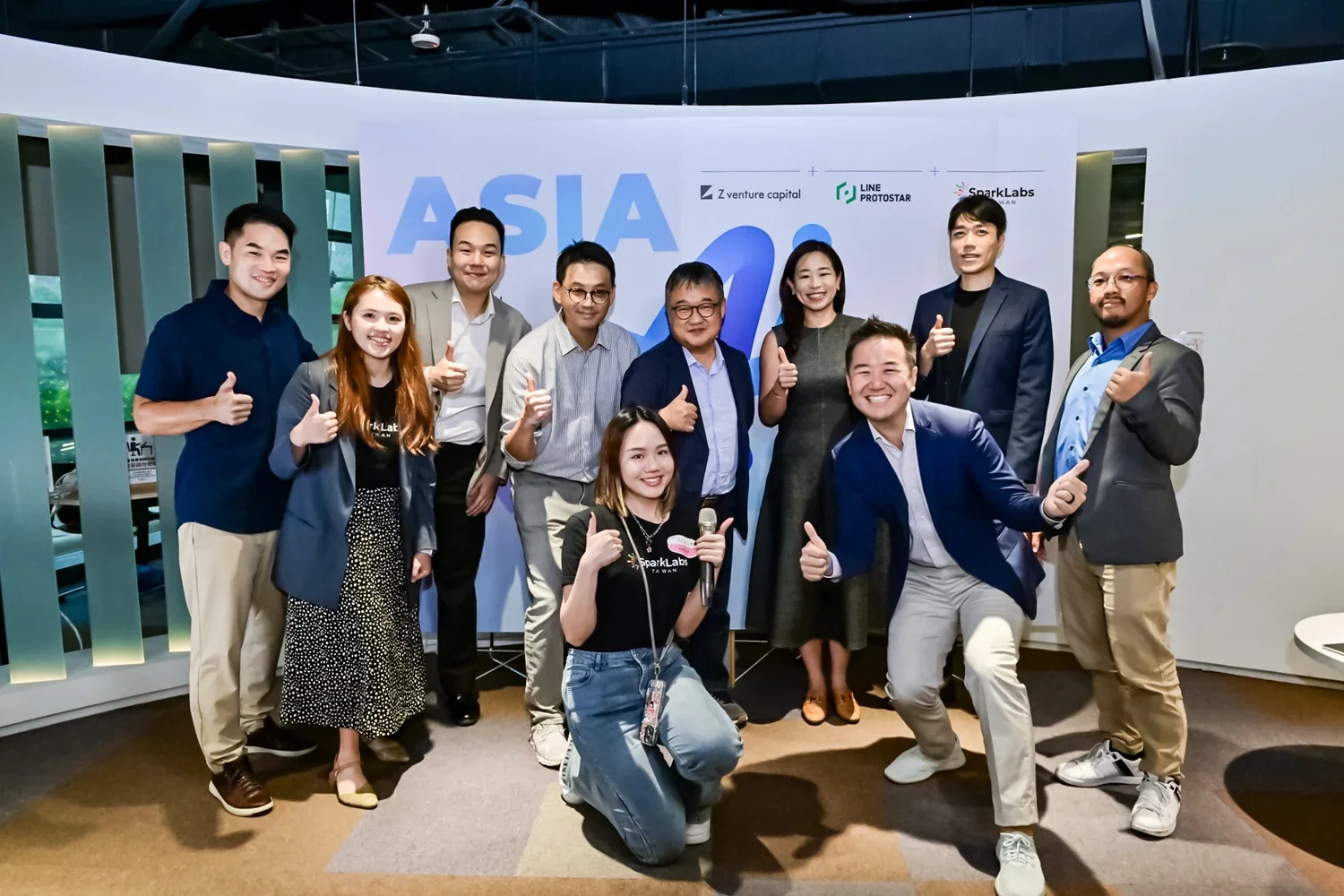
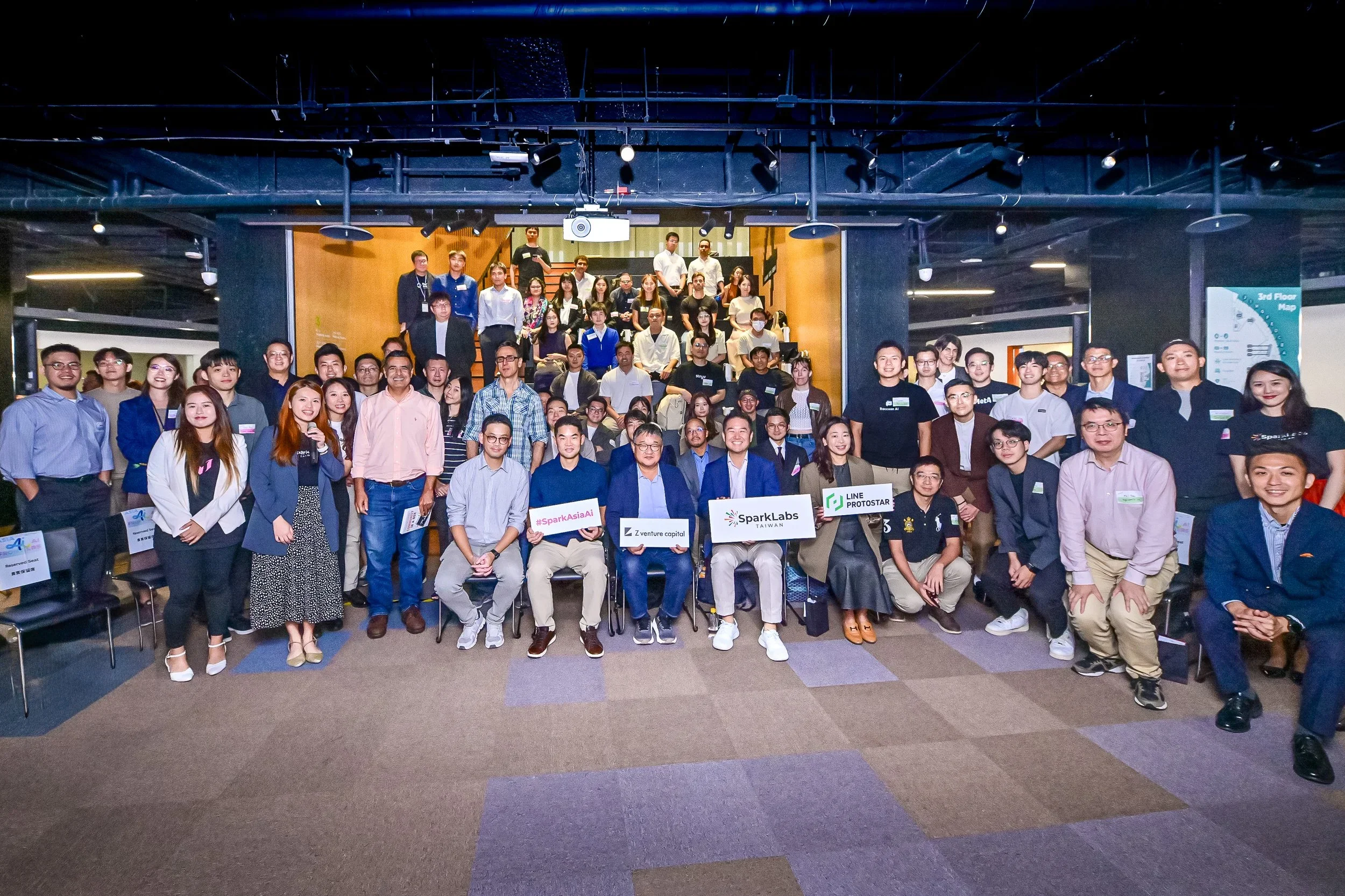
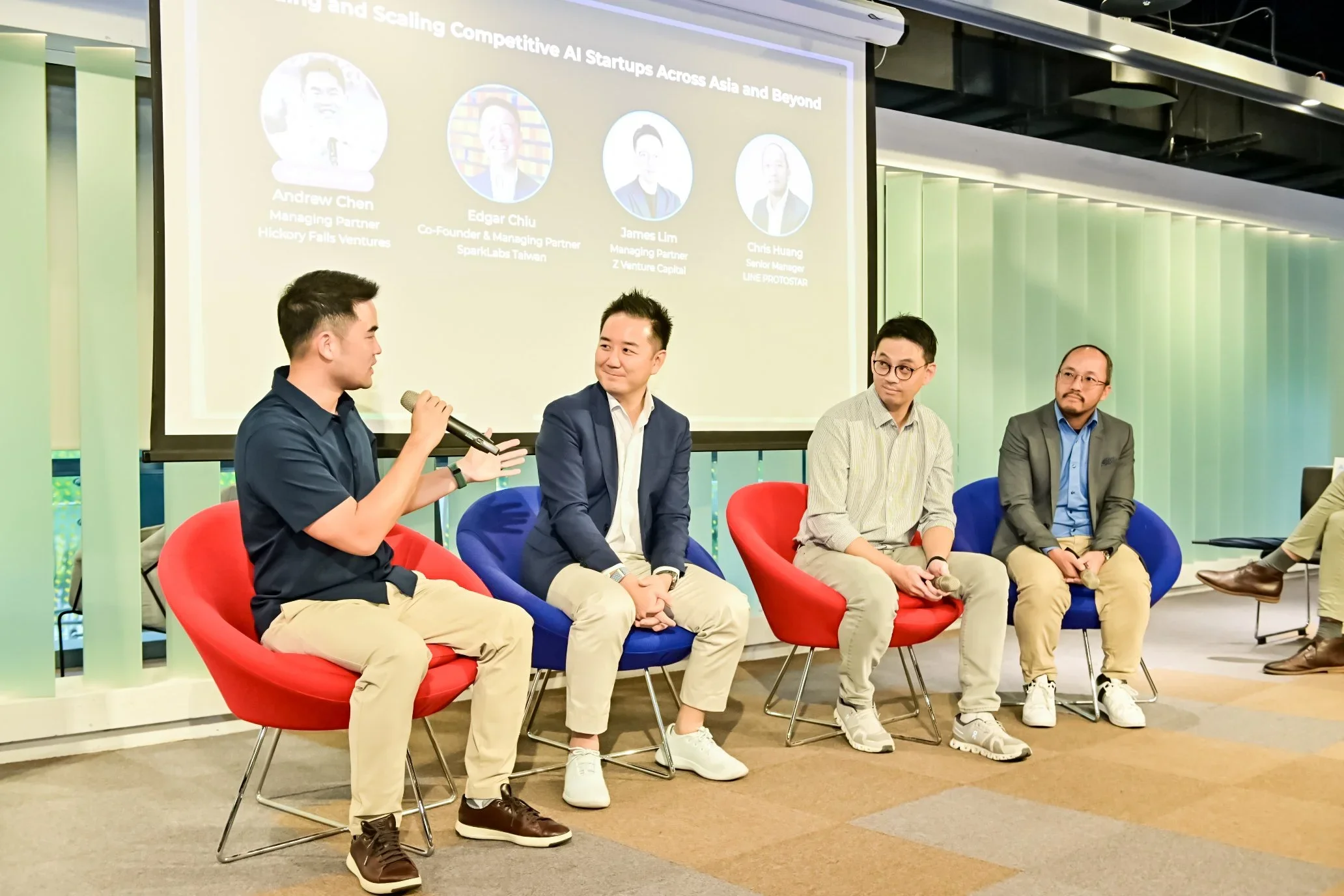
It’s becoming clear that I (Andrew) have a role in Taiwan’s tech and innovation ecosystem, especially through my mentoring at SparkLabs Taiwan and helping entrepreneurs here. My years building and investing in U.S. startups seem to fill a real need here, and I’m grateful to stay connected to the world of AI, software building, and early-stage creation by working alongside those that are doing so here in Taiwan.
It’s becoming clear that Hanna is called to ground our family in the everyday and build a home—not just for our nuclear family but for the community gathering around us—creating a place of warmth, generosity, welcome, and care.
And it’s becoming clear that being here gives us the opportunity to deepen relationships with family members we rarely got to see in earlier decades of our lives.
Together, we’re beginning to understand that the purpose God has for us in Taiwan is being revealed through the people around us—supporting them, learning from them, walking alongside them, and being present in their lives.
We don’t yet know how long this chapter will last or what comes after it. But for now, we are aligned—and committed—to seeing it through.